


Keeping your home clean doesn’t mean spending hours cleaning every day. The key is having a simple routine that prevents dirt, dust, and clutter from building up.
How often you should clean depends on the size of your home, how many people live there, whether you have children or pets, and how busy your household is. Some areas need attention every day, while others only need a deeper clean every few weeks or months.
Here’s a practical guide to help you create a cleaning schedule that works for your home.
Daily Cleaning: Keep the Mess Under Control
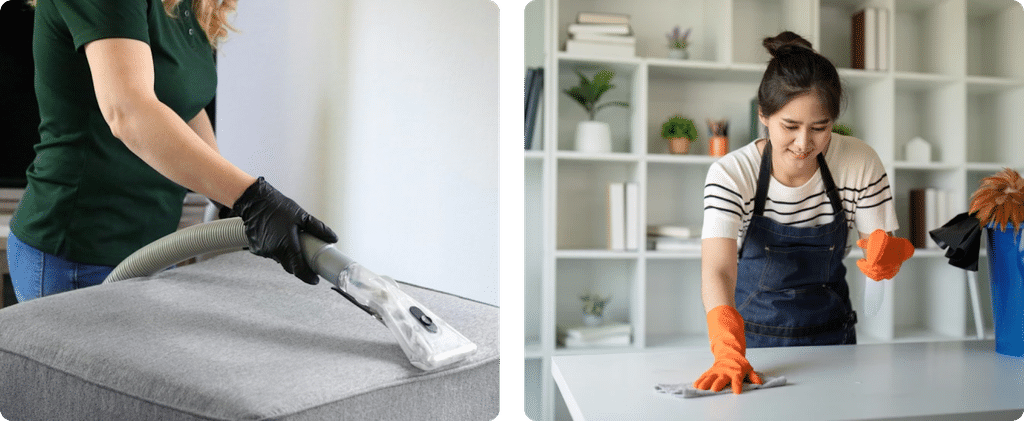
A few small cleaning tasks each day can make a big difference. Daily cleaning is less about deep cleaning and more about keeping your home tidy, hygienic, and comfortable.
Try to focus on high-use areas such as kitchen benches, dining tables, sinks, and frequently touched surfaces. Putting items back where they belong, washing dishes, wiping spills, and giving the kitchen a quick clean can prevent small messes from becoming bigger jobs later.
If you have young children or pets, you may also need to sweep or vacuum high-traffic areas more frequently.
How Often Should You Clean Your Kitchen?
The kitchen is one of the busiest areas of the home, so it usually needs attention more often than other rooms.
Kitchen benches, sinks, and dining surfaces should ideally be wiped down every day. Stovetops are easier to maintain when spills and grease are cleaned shortly after cooking.
Floors can generally be vacuumed or mopped once or twice a week, depending on how heavily the kitchen is used.
Appliances such as the microwave, fridge, rangehood, and oven do not usually need daily cleaning, but checking them regularly and giving them a deeper clean every few weeks or months helps prevent grease, food residue, and unpleasant odours from building up.
How Often Should You Clean Your Bathroom?
Bathrooms can quickly develop soap residue, water marks, mould, and bacteria, particularly in warm and humid conditions.
For most households, a thorough bathroom clean once a week is a good starting point. This should include the toilet, shower, bath, vanity, mirrors, taps, and floor.
A quick wipe of wet surfaces between deeper cleans can also help reduce soap scum and keep the bathroom looking fresh for longer.
Homes with several family members sharing one bathroom may need cleaning more frequently.

How Often Should You Clean Bedrooms?
Bedrooms generally require less intensive cleaning than kitchens and bathrooms, but regular cleaning is still important for reducing dust and maintaining a comfortable sleeping environment.
Vacuuming or cleaning the floor once a week is usually enough for most bedrooms. Dust furniture, bedside tables, shelves, window sills, and other surfaces at the same time.
Bed linen should normally be changed regularly, particularly during warmer months or if you have allergies or pets sleeping in the room.
Don’t forget less obvious areas such as under the bed, behind furniture, ceiling fans, and wardrobes. These areas can be included as part of a deeper monthly or seasonal clean.
How Often Should You Clean Your Living Areas?
Living rooms and family areas usually experience plenty of everyday traffic.
A weekly vacuum, dust, and surface clean will generally keep these areas looking good. High-traffic homes, especially those with children or pets, may benefit from vacuuming several times during the week.
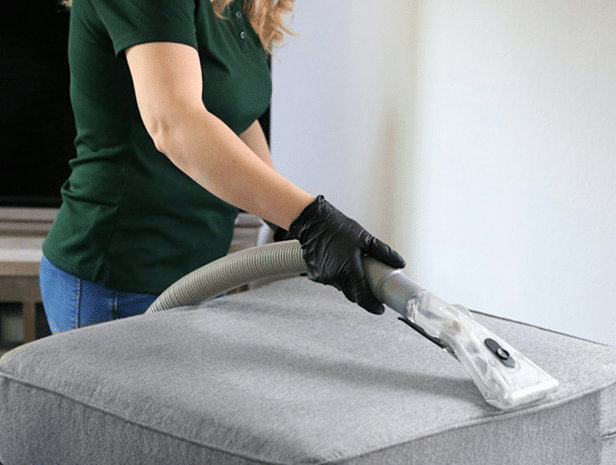
Pay attention to sofas, rugs, cushions, coffee tables, entertainment units, skirting boards, and areas underneath furniture.

Weekly Cleaning: Your Main Home Reset
For many households, once a week is the ideal time for a more complete clean.
Your weekly routine can include:
- Vacuuming and mopping floors
- Cleaning bathrooms and toilets
- Dusting furniture and surfaces
- Cleaning kitchen surfaces and appliances
- Changing bed linen
- Emptying bins
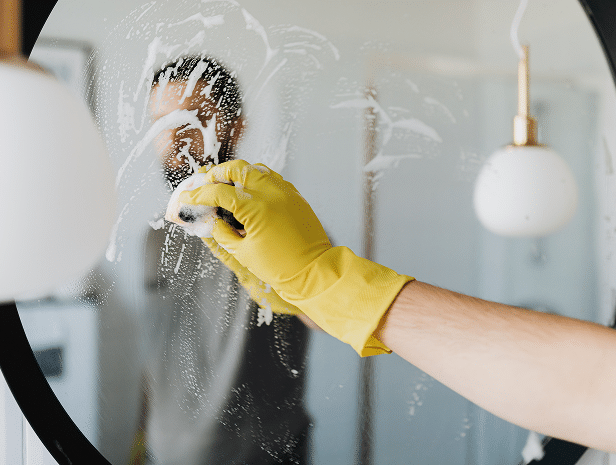
- Cleaning mirrors
- Wiping frequently touched areas such as switches and handles
- Tidying living areas and bedrooms
Doing these tasks regularly helps stop dust, grime, and clutter from accumulating.
What About Deep Cleaning?
Even with regular cleaning, some parts of your home need occasional extra attention.
A deeper clean every one to three months can help you reach areas that aren’t normally included in your weekly routine.
This might include cleaning behind furniture, washing skirting boards, removing built-up grease, thoroughly cleaning the oven, wiping doors and frames, cleaning inside cupboards, removing cobwebs, and paying extra attention to corners and hard-to-reach spaces.
You may also want to schedule a deeper clean before hosting guests, after a busy period, during seasonal changes, or whenever the home starts to feel difficult to maintain with regular cleaning alone.
Weekly or Fortnightly Professional Cleaning?
If you’re considering hiring a professional cleaner, the right frequency depends on your household and lifestyle.
Weekly cleaning can work well for busy families, larger households, pet owners, or anyone who wants their home consistently maintained.
Fortnightly cleaning is a popular option for households that can manage everyday tidying but want help with bathrooms, kitchens, floors, dusting, and other regular cleaning tasks.
For smaller or lower-traffic homes, occasional professional deep cleaning may be enough.
The best schedule is one that keeps your home comfortable without making cleaning feel like another full-time job.

Spring cleaning is more than giving your home a fresh look—it’s a chance to clear away the clutter, refresh your space, and create a cleaner, healthier environment for the season ahead.It’s also a great time to clean items that may not be part of your regular routine.